
Bay Area performance guide
Energy-Efficient Windows in the Bay Area: Use certified ratings to confirm the expected performance improvement.
A Bay Area replacement decision should not begin by assuming the existing window has one cause or one inevitable solution. Bestoff Windows Inc. documents what happens, inspects the frame and wall, and keeps maintenance, repair, insert, and more complete replacement paths open long enough to compare them. The company uses exact energy labels only after the proposed configuration is defined.

Energy-efficient windows
Use whole-window ratings to choose glass for each room.
Compare complete-window ratings for the actual Bay Area room, then balance heat flow, solar gain, daylight, ventilation, and the glass appearance you want to live with.

Bestoff Windows Inc. builds a Bay Area observation record before choosing replacement
For each priority window, Bestoff Windows Inc. records what happens, where it appears, when it occurs, how the unit operates, and what the room needs. Examples include difficult movement, failed glass, a cool surface, glare, unwanted air, visible staining, or a desire for different ventilation. The team photographs the glass, sash, frame, sill, trim, wall, and exterior without assigning an unverified cause.
Bestoff Windows Inc. adds the maintenance history and any previous sealant, glass, hardware, or finish work reported by the homeowner. The company inspects which materials might remain and identifies concerns that require more investigation. This prevents a product label from being used as a diagnosis and prevents a replacement recommendation from skipping a potentially relevant maintenance or repair question.

Bestoff Windows Inc. clearly compares Bay Area repair and replacement paths
Bestoff Windows Inc. lists the paths still under consideration: maintenance or adjustment, component or glass work where appropriate, an insert window retaining more existing material, or a more complete removal. For each path, the team states what remains, what changes, which concern it addresses, what it cannot address, expected finish disturbance, warranty information, assumptions, exclusions, and complete price.
When a replacement configuration is proposed, Bestoff Windows Inc. adds the exact manufacturer, series, dimensions, operation, glass, options, U-factor, solar heat gain coefficient, visible transmittance, and air leakage. Those values compare the new complete unit; they do not prove the cause of an existing symptom. The team keeps visible-glass change, frame depth, ventilation, and room use beside the ratings.

Bestoff Windows Inc. defines the selected Bay Area work after inspection
Once a path is selected, Bestoff Windows Inc. writes the removal extent, opening preparation, inspection points, water and air treatment, fastening, insulation, compatible sealants, trim, exterior finish, protection, cleanup, permit responsibility, and the process for conditions discovered after exposure. If a concern remains outside the chosen scope, the team preserves it as an open item rather than implying replacement resolves it automatically.
At completion, Bestoff Windows Inc. compares the installed product and work with the accepted estimate. The team tests operation, locks, screens, and hardware; inspects glass, reveals, drainage, sealant, trim, finish, and cleanup; matches labels and approved changes; and collects warranty or project records. The final result shows exactly what changed and which observations, if any, still need attention.
Energy-efficient windows
Choose whole-window performance for the rooms you use in the Bay Area.
Energy-efficient does not describe one universal glass package. Compare the exact window label with the room’s sun, shade, glass area, daylight, and ventilation needs.
A clearer replacement decision
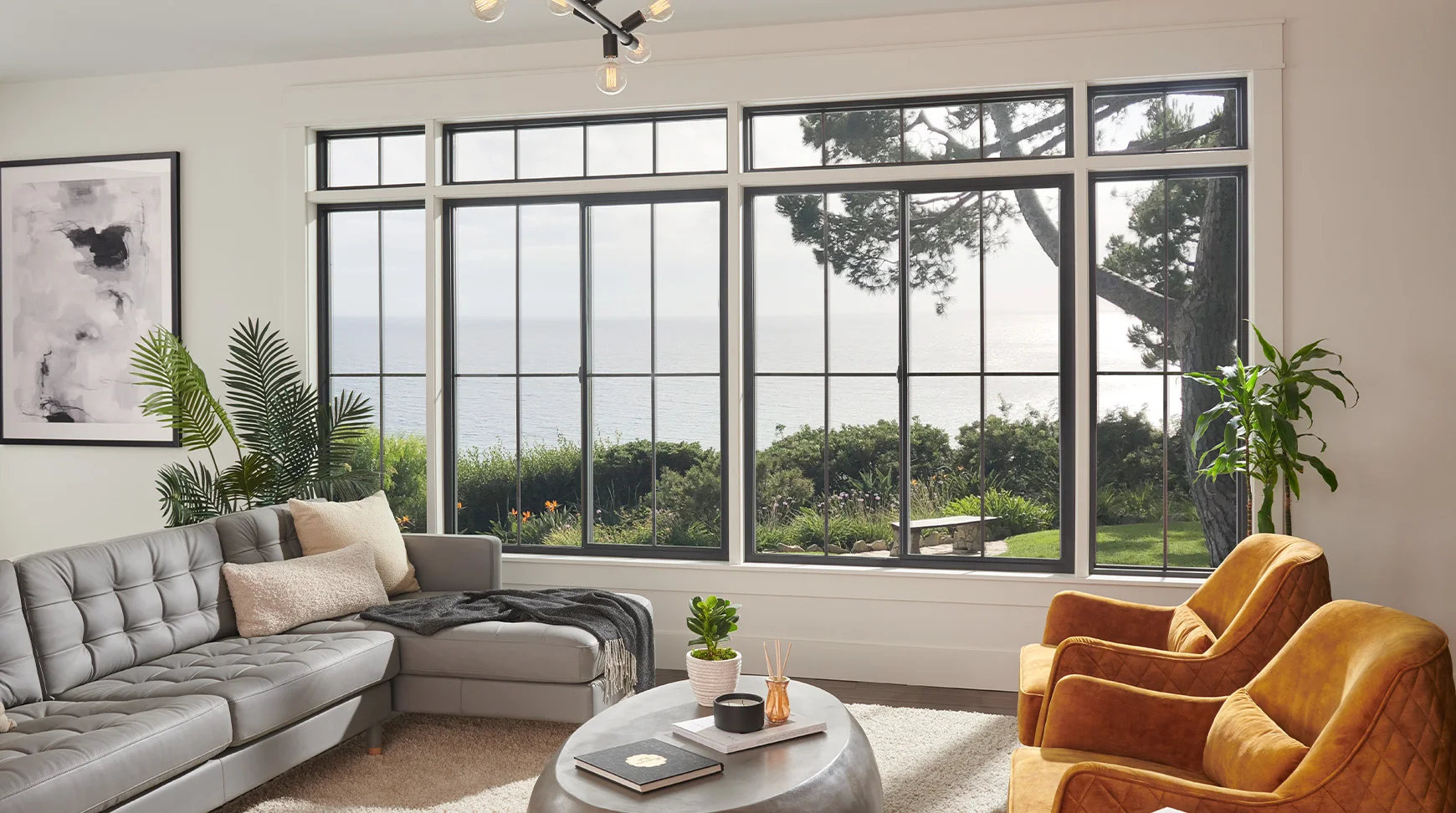
Read the complete-window label
Match ratings to the room instead of chasing one number.
U-factor, solar heat gain coefficient, visible transmittance, and air leakage describe different parts of performance. Review the values for the precise size, style, and glass package being quoted.
Compare energy-efficient windowsUse ratings for the exact quoted configuration
Note orientation, shade, and when comfort changes
Balance solar control with daylight and ventilation
Test the replacement rationale against the label
Compare whole-window ratings for the rooms in your Bay Area home.
For windows in the Bay Area, compare U-factor, solar heat gain, visible transmittance, and air leakage for the exact proposed configuration with the observed concern, room use, orientation, shade, operation, and exact whole-window ratings. Product ratings describe the tested window; the estimate must separately explain the installation and finish work.

- U-factor
- Think of U-factor as the complete window’s heat-transfer measure: lower values indicate that the rated configuration provides more resistance to heat flow.
- Solar heat gain coefficient
- Solar heat gain coefficient measures the portion of solar energy entering through the product; the best fit depends on place, orientation, shade, and room intent.
- Air leakage
- Air leakage is measured through the window under standardized test conditions. A lower label value identifies less air passage through the tested product.
- Visible transmittance
- Visible transmittance answers the daylight question by measuring visible light through the whole unit. Higher values usually mean more light is admitted.
Plan the next step
Bestoff Windows Inc. makes the Bay Area replacement decision easy to trace
A strong plan preserves observations, compares viable paths honestly, adds exact configuration ratings only when relevant, and states what the selected work will and will not address.
- Observed concern, location, timing, operation, history, and room goal
- Repair, insert, full-removal, retained-material, and finish comparisons
- Exact replacement configuration, ratings, visible glass, and ventilation
- Selected scope, inspection points, perimeter work, exclusions, and changes
- Installed reconciliation, remaining concerns, cleanup, and final records